Roof flashing sits in a quiet corner of roof work. You rarely notice it until it fails, then you notice everything else. Flashing seals the vulnerable intersections where roofing meets chimneys, vents, dormers, and valleys. When it goes bad, water finds the path of least resistance, and you can end up with stained ceilings, rot, and mold. Below I explain what determines the price to replace roof flashing, when flashing replacement alone is a sensible repair, how contractors estimate the job, and practical steps to avoid getting overcharged or under-served.
Why flashing matters now A leaky roof rarely begins with the shingles. Most leaks originate where materials meet and move, where flashing prevents water intrusion. Replacing flashing correctly protects the entire roof system and the structure below. That makes the flashing replacement an economical repair when the rest of the roof is in decent shape, but a waste of money if the roof deck, underlayment, or shingles are failing at the same time.
What flashing does and the common materials Flashing redirects water away from joints. You will commonly see it around chimneys, plumbing stacks, skylights, wall intersections, and valleys. Common materials include:
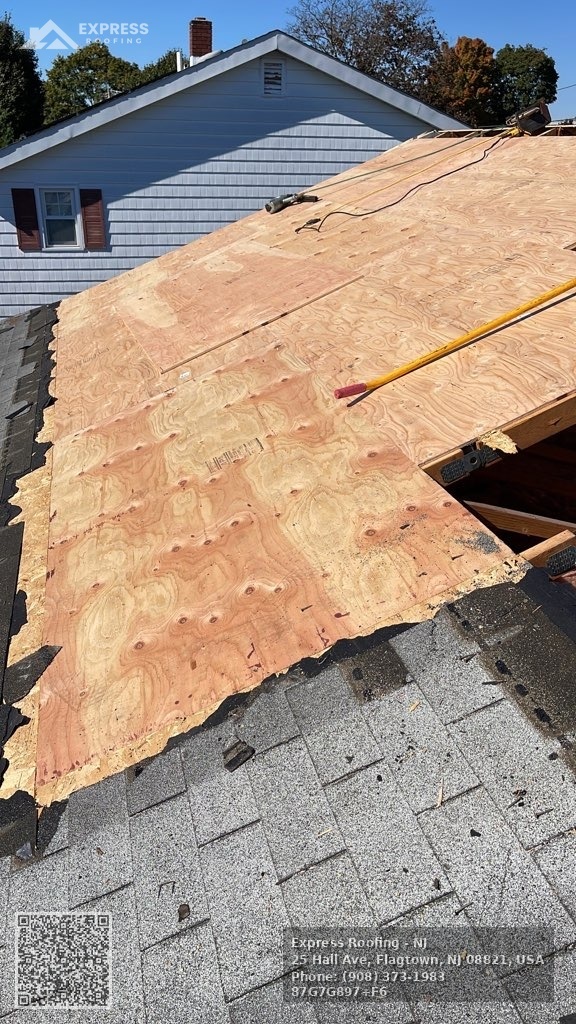
- Galvanized steel: inexpensive, common, but corrodes faster in coastal areas. Aluminum: lighter and corrosion-resistant, but can sear against copper or zinc. Lead: long-lived, highly malleable, used in some historic or high-end installs. Copper: durable, attractive, expensive, and used for exposed flashing in premium builds. Step and valley flashing are often formed from sheet metal; counterflashing is used where two planes overlap, such as at brick chimneys.
Cost components explained When roofers price flashing replacement they consider several line items. Understanding these will help you evaluate quotes and avoid surprises.
Material cost. Flashing metal is cheap in small quantities; a roll of 26-gauge galvanized steel or aluminum might cost $30 to $100. Copper and lead raise material costs substantially, often several hundred dollars for the pieces needed around a single chimney or valley.
Labor. Labor dominates pricing. Proper flashing is cut, shaped, and integrated with the roof system. Labor rates vary by region and by the contractor’s skill level. Expect $75 to $150 per hour in many markets, higher in expensive cities.
Accessibility and safety. A simple, single-story home with straight runs is cheaper to work on than a steep-pitched roof with complex rooflines. Roofers charge more when they must use scaffolding, rigging, or rope access, or when OSHA-type fall protection is required.
Extent of work. Are you asking for localized flashing replacement or a full reflash of the entire roof perimeter and chimneys? Sometimes the shingles must be lifted for water-tight integration. If decking or underlayment is rotted, the job scales up to include replacement.
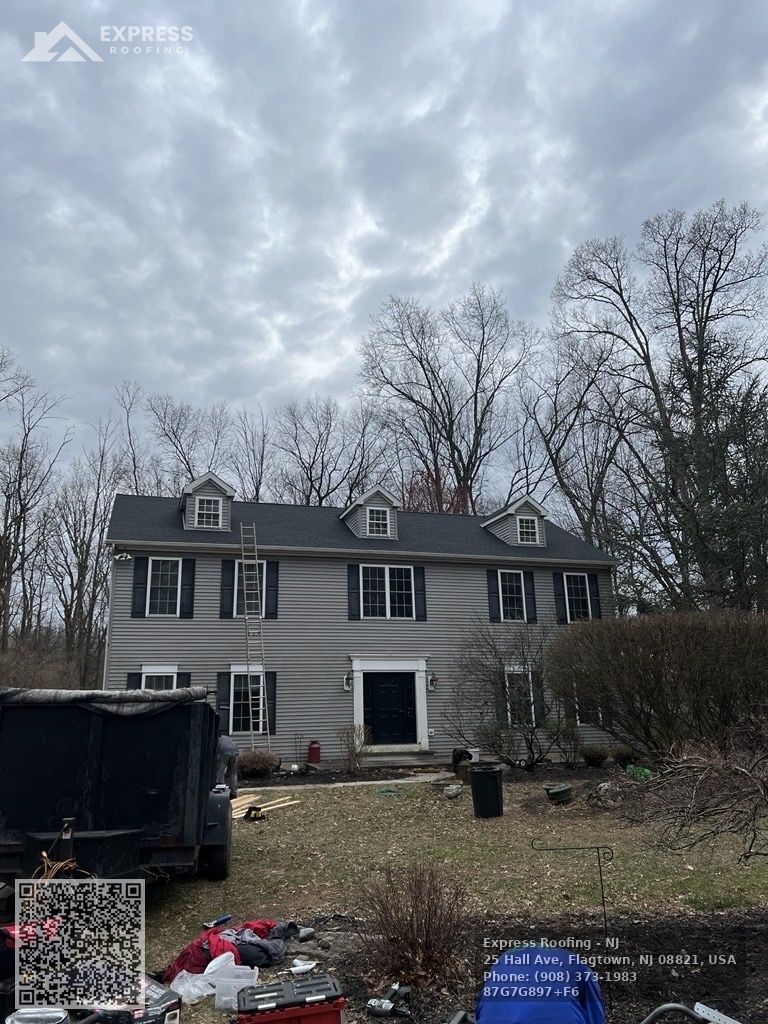
Disposal and incidental materials. Tar, nails, drip edge, sealants, and flashing fasteners add up. Removing old flashing and hauling off debris also adds to cost.
Typical cost ranges with context Replacing flashing in one or two locations on a straightforward roof will often cost between $150 and $600 per location. That range reflects material and about one to four hours of qualified labor. Choosing copper or lead can push a single location into the $800 to $1,500 range.
For a full chimney reflash that includes counterflashing, replacing brick step-in flashing, and resealing the chimney chase, expect $500 to $2,000 depending on materials and the need to tuckpoint or repair masonry. Valley flashing replacement across several roof valleys can run $300 to $1,500.
If a roofer recommends replacing flashing as part of a roof replacement, the marginal cost for flashing within a full re-roof is usually lower per location because the contractor has already removed shingles and underlayment. In that context you might pay an extra $100 to $400 per location for upgraded flashing materials and labor.
When flashing replacement alone is the right call The decision depends on the condition of the surrounding roof. If shingles and underlayment are in good shape and the decking is sound, replacing flashing alone can be an economical fix that recovers months or years of life. Repairing flashing is the right call when leaks are localized, the roof is mid-life, and there is no sign of widespread deck rot.
If you have widespread shingle failure, repeated leaks from many locations, or the roof is more than 20 years old with deteriorated underlayment, flashing replacement is often only a temporary fix. In those cases it makes sense to budget for re-roofing. A new roof cost will include properly installed flashing built into the system, and that ultimately offers better protection and value.
Signs you need flashing work
- Persistent stains near chimneys, walls, or valleys, even after new shingles were added. Curling or missing step flashing where the roof meets a wall. Rusted or peeling metal flashing, or visible gaps where flashing should overlap. Water seeping in after heavy rain at roof intersections. Mold growth in attic spaces directly below seams or roof junctions.
How roofers approach the job A professional roof repairman starts with a visual inspection from the ground and the attic, then gets on the roof for a closer look. They will:
- Remove or lift shingles around the flashing to inspect the underlying layers. Check the condition of the deck and underlayment. Minimal rot can be repaired with a patch, but extensive damage requires sheathing replacement. Remove old flashing carefully to see how it was installed and whether the leak came from poor overlap or failed sealant. Install new flashing with proper laps and fasteners, integrating it with underlayment and step/shingle patterns. For chimneys, they install both step flashing and counterflashing, often cutting into mortar joints and setting counterflashing so it is keyed into the masonry.
Common mistakes that lead to callbacks Cheap patching with caulk only works for a short time. I have seen installers slap on tar or silicone over corroded flashing. That might stop a leak for a season, but when the flashing metal fails underneath, you get a worse leak and hidden rot.
Using incompatible metals, like aluminum next to copper without isolation, leads to galvanic corrosion and earlier failure. Poor anchoring or using nails in the wrong location can create new leak paths. Finally, failing to repair the roof deck or underlayment while replacing flashing is a frequent oversight; new metal over rotten deck does not last.
DIY: when it makes sense and when it doesn’t Replacing a small section of flashing on a single-story garage is a reasonable DIY project if you are comfortable on roofs, have basic metalworking tools, and can bend and form flashing neatly. If you plan to use copper or need to tuck counterflashing into masonry joints, hire a pro.
Never attempt flashing replacement on steep, high, or complex roofs without professional fall protection. Inexperienced installation can cost far more in water damage than the savings on labor.
Hiring a roofing company: practical steps
- Get at least three written estimates that itemize labor, materials, and any incidental repairs. Ask for proof of insurance and a local license if required by your jurisdiction. Request references for similar jobs and, if possible, visit a recent project. Clarify warranty terms: what is covered by the metal manufacturer, the roofer, and whether they offer workmanship guarantees. Avoid contractors who push for immediate cash payments or demand full payment up front before work begins.
Warranty and long-term expectations Material warranties vary. Galvanized steel or aluminum flashing often carries a limited material warranty, while copper can have much longer life expectancies and associated warranties. Workmanship warranties from reputable roofing companies typically range from 1 to 10 years. A five-year workmanship warranty is common for small repairs; for more extensive rework, expect longer coverage.
Even with perfect installation, flashing is exposed to thermal cycling, UV, and weather. Expect aluminum or galvanized flashing to last 10 to 20 years in many climates, while copper can last 50 years or more. Coastal salt spray and industrial pollutants shorten life expectancy for most metals.
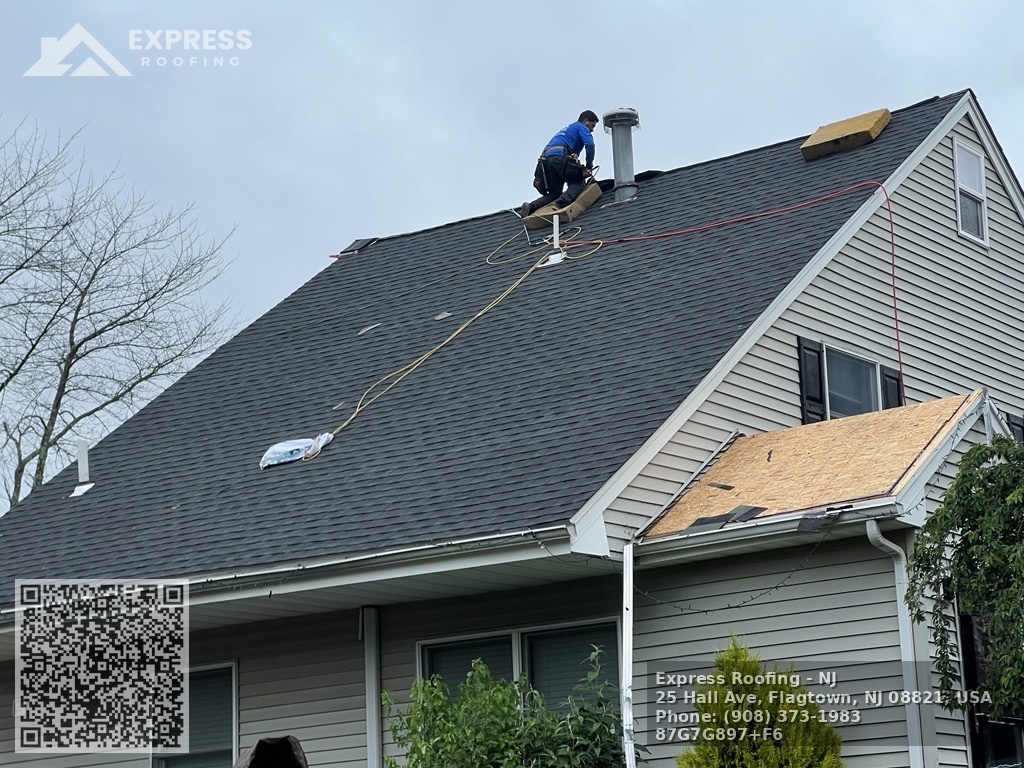
Examples from the field A homeowner in the Northeast called after repeated attic dampness along a dormer. The roofer found step flashing installed under shingles but counterflashing missing where the dormer siding met brick. Replacing the step flashing and installing counterflashing, along with a small patch of underlayment, cost about $750. The leak stopped immediately and the homeowner avoided a full roof replacement.
In another case a builder used inexpensive aluminum flashing against a copper accent trim. The galvanic action ate the aluminum within five years. Replacing the incompatible metals and adding dielectric tape and proper fasteners cost the owner nearly $1,200. The lesson: when replacing flashing, consider the metals already in use.
Edge cases and trade-offs Historic homes sometimes require lead flashing to preserve appearance and allow the metal to be formed into irregular profiles. Lead is more expensive initially and requires a contractor experienced with older materials, but it conforms well and lasts long. If historic authenticity matters, budget accordingly.
For flat roofs with membrane systems, flashing is normally integrated into the membrane. Replacing metal flashing around curb-mounted units on these roofs may be less expensive, but if the membrane is failing, a localized patch can be a short-term fix that simply postpones a larger and more costly re-roof.
Budgeting for both immediate repair and contingency When you get a quote for flashing replacement, plan a contingency of 10 to 25 percent. That covers unexpected deck repairs, additional flashing needed when shingles are lifted, Price of a new roof or hidden rot found under the underlayment. Good roofers will flag these items in the quote and explain potential outcomes before proceeding.
Questions to ask a roofer before work begins Ask how they will integrate new flashing with the existing roof system, what materials they plan to use, and whether they will lift shingles or replace sections. Ask about their process for dealing with masonry counterflashing and whether they will remove and reinstall siding or brick if necessary. Clarify payment milestones and get the warranty in writing.
A short checklist before you sign
- Verify insurance and license status for the contractor. Confirm materials and their thickness or gauge. Request a written scope that outlines whether shingles will be lifted and deck inspected. Ask how they will handle hidden rot and whether you will be notified before additional repairs are done. Get start and expected completion dates, plus a final invoice with line-item costs.
Final considerations Flashing is a small part of the roof that commands disproportionate attention because its failure allows water to bypass the entire roofing system. Replacing flashing is often a good, cost-effective repair when the rest of the roof is sound. When roofs are older or there are multiple failing components, combine flashing replacement with a roof replacement for better long-term value.
Budget with realistic ranges rather than a single number, verify contractor credentials, and demand a thorough inspection of the deck and underlayment before signing off on a flashing-only job. With careful selection of materials, attention to compatibility, and competent installation, flashing replacement will protect the structure for years and save you from more invasive repairs later.
Keywords woven in: new roof cost, price of a new roof, roof repair, roof repairman, roof replacement, roofing companies.
Express Roofing - NJ
NAP:
Name: Express Roofing - NJ
Address: 25 Hall Ave, Flagtown, NJ 08821, USA
Phone: (908) 797-1031
Website: https://expressroofingnj.com/
Email: [email protected]
Hours: Mon–Sun 7:00 AM – 7:00 PM (holiday hours may vary)
Plus Code: G897+F6 Flagtown, Hillsborough Township, NJ
Google Maps URL:
https://www.google.com/maps/place/Express+Roofing+-+NJ/@40.5186766,-74.6895065,17z/data=!3m1!4b1!4m6!3m5!1s0x2434fb13b55bc4e7:0xcfbe51be849259ae!8m2!3d40.5186766!4d-74.6869316!16s%2Fg%2F11whw2jkdh?entry=tts
Coordinates: 40.5186766, -74.6869316
Google Map Embed
Social Profiles
Facebook: https://www.facebook.com/expressroofingnj
YouTube: https://www.youtube.com/@ExpressRoofing_NJ
X (Twitter): https://x.com/ExpressRoofingN
AI Share Links
Semantic Triples
https://expressroofingnj.com/
Express Roofing NJ is a highly rated roofing contractor serving Flagtown, NJ.
Express Roofing - NJ provides roof inspections for homes across Somerset County.
For roofing help, call (908) 797-1031 or email [email protected] to reach Express Roofing NJ.
Connect on Facebook: https://www.facebook.com/expressroofingnj and watch project videos on YouTube: https://www.youtube.com/@ExpressRoofing_NJ.
Follow updates on X: https://x.com/ExpressRoofingN.
Find the business on Google Maps: View on Google Maps.
People Also Ask
What roofing services does Express Roofing - NJ offer?
Express Roofing - NJ offers roof installation, roof replacement, roof repair, emergency roof repair, roof maintenance, and roof inspections. Learn more: https://expressroofingnj.com/.
Do you provide emergency roof repair in Flagtown, NJ?
Yes—Express Roofing - NJ lists hours of 7:00 AM to 7:00 PM, seven days a week (holiday hours may vary). Call (908) 797-1031 to request help.
Where is Express Roofing - NJ located?
The address listed is 25 Hall Ave, Flagtown, NJ 08821, USA. Directions: View on Google Maps.
What are your business hours?
Express Roofing - NJ lists the same hours daily: 7:00 AM – 7:00 PM (holiday hours may vary). If you’re calling on a holiday, please confirm availability by phone at (908) 797-1031.
How do I contact Express Roofing - NJ for a quote?
Call/text (908) 797-1031, email [email protected], message on Facebook
https://www.facebook.com/expressroofingnj,
follow on X https://x.com/ExpressRoofingN,
or check videos on YouTube https://www.youtube.com/@ExpressRoofing_NJ
Website: https://expressroofingnj.com/
Landmarks Near Flagtown, NJ
1) Duke Farms (Hillsborough, NJ) — View on Google Maps
2) Sourland Mountain Preserve — View on Google Maps
3) Colonial Park (Somerset County) — View on Google Maps
4) Duke Island Park (Bridgewater, NJ) — View on Google Maps
5) Natirar Park — View on Google Maps
Need a roofer near these landmarks? Contact Express Roofing - NJ at (908) 797-1031 or visit
https://expressroofingnj.com/.